3. Hair, skin and nails are everything
One thing you can do to prepare for the perimenopause and menopause is to take good care of your hair, skin and nails. Many women battle changes in these areas during the menopause.
Hormonal imbalances can cause thinning of hair and the weakening of nails, so try looking into vitamins and supplements to keep hair and nails strong. Rest assured, problems may go away naturally as hormones settle down post-menopause.
Muscle loss and collagen depletion can cause skin to sag, and lines and wrinkles can become more apparent. This, again, is a totally normal part of ageing. Don’t panic. You’re getting older, but many report that ageing gives them the gift of not caring what people think. And what better gift can there be than that?
As melanin production slows, skin can look paler, and age spots can start to appear. Use SPF to protect skin from sun damage, exfoliate regularly to invigorate the skin and invest in a good quality age-targeted moisturiser to keep your skin hydrated and supple. If anything, it’ll make you feel lovely and pampered.
4. Dealing with emotional changes
Emotional changes are one of the most common – but least talked about – parts of the menopause. Declining progesterone production and fluctuating oestrogen levels can make you feel like you’re in a constant state of PMS. You may notice that you experience heightened emotional volatility in the days leading up to your period, when your hormones are naturally at their lowest. You might want to throttle your partner. You may passive-aggressively bash pots and pans around the kitchen on an angry hunt for the cheese grater. You may shriek expletives at your computer when it takes too long to load. Feelings of irritability, sadness, forgetfulness and a lack of patience may increase gradually around the time of your period to several days a month, and then more as you get further into the menopause.
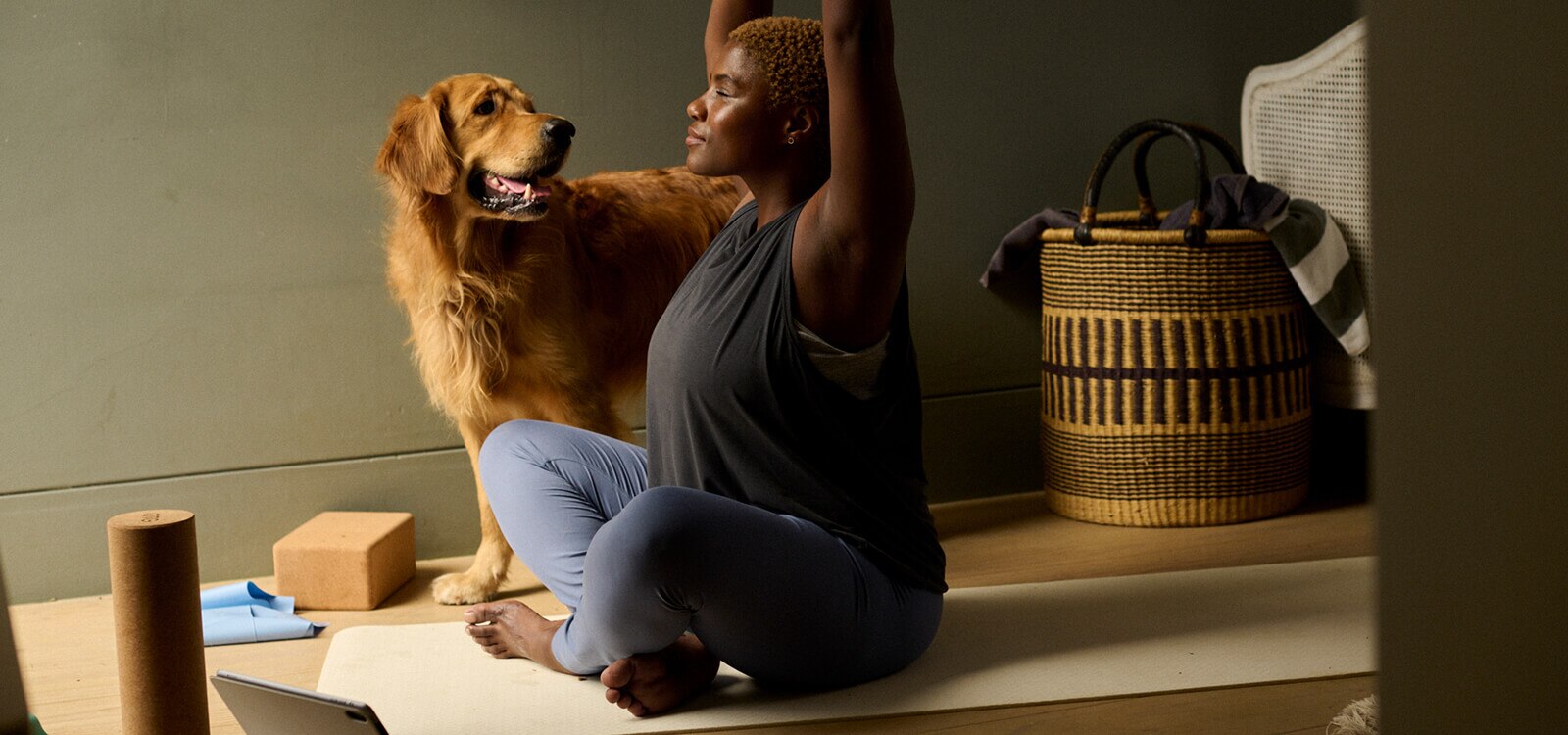
Many women find that lifestyle changes such as healthy eating, good sleep hygiene and regular exercise can alleviate the
emotional elements of the menopause. Adopting calming practices such as deep breathing, yoga and meditation in the run up to perimenopause can also help you manage the emotions.
You might find speaking about the menopause with your loved ones helps. Tell them what’s going on. That way, they’ll forgive you if you snap at them. And, hopefully, they’ll also support you. Having someone to talk to can feel like a crack of relief.
5. Get talking about the menopause
Did you know that right now, around 6 billion women are going through the menopause worldwide? According to the charity Menopause Support, approximately 1 in 4 women will experience debilitating symptoms, and many post-menopausal women say that they experience a lack of general support and understanding.
To help prepare for the perimenopause and menopause, try to get comfortable discussing the topic with friends, family and work colleagues. Perhaps you feel uneasy with the idea of your periods stopping forever, or you might want to know what your company does to support women juggling hot flushes and Excel spreadsheets at work (not a fun combo!). By openly discussing menopause, you will be helping to break the stigma, and lending support to others facing menopause-related challenges.